A keepsake box for objects with different needs
Separate photographs, paper, metal and fabric before choosing one box for all of them.
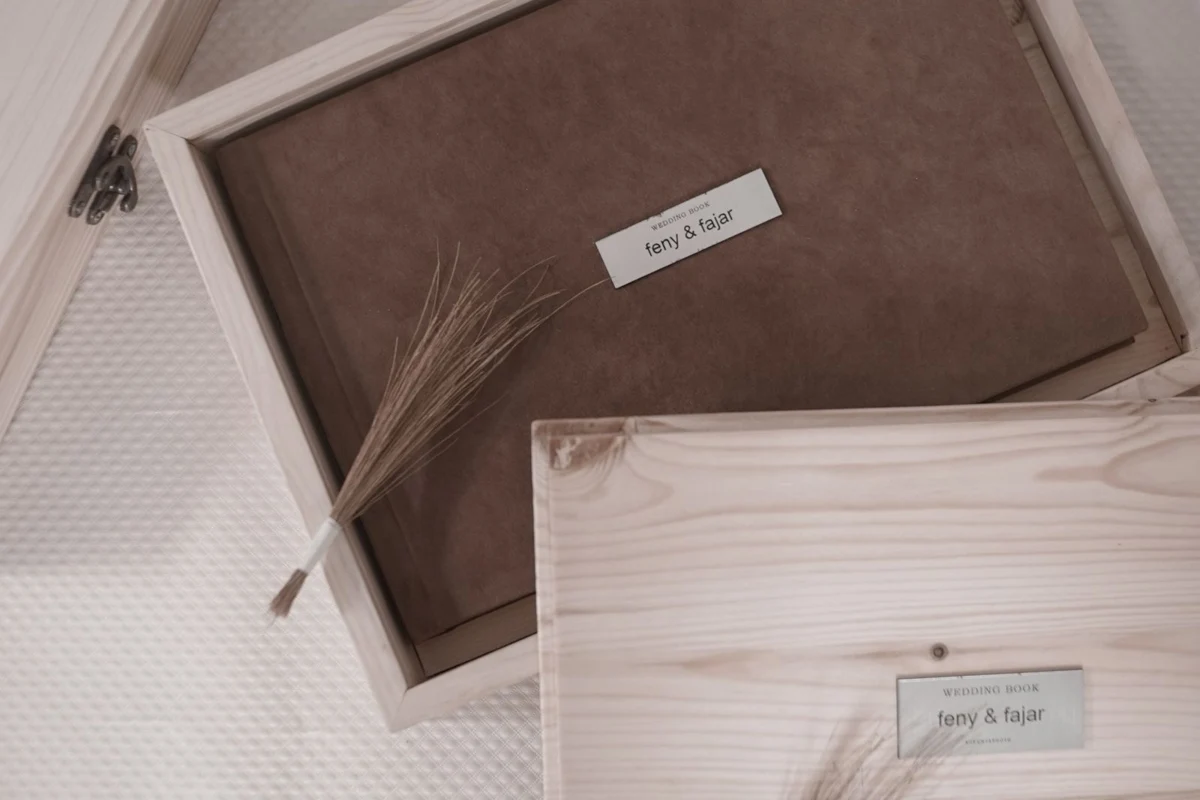
A keepsake box often begins with one card and gradually collects jewellery, photographs, ribbons and small souvenirs. These objects do not all behave well in direct contact. A rough metal edge can mark paper; a leaking pen can damage everything beside it. Sort the contents before choosing the container.
Start by removing items that are not intended for long storage, such as food, damp flowers or batteries left inside small electronic objects. For valuable or fragile material, seek conservation advice rather than treating a household storage tip as a preservation method.
Give small objects their own space
Use suitable separate enclosures or compartments so pieces do not slide against one another when the box is moved. Photographs and important papers benefit from materials intended for archival storage; an attractive craft paper is not automatically appropriate. Avoid adhesive tape directly on original documents or photographs.
Write identifying notes on a separate sheet or enclosure rather than on a precious object's surface. A name, place or date can be more valuable later than an elaborate arrangement now. Keep the note understandable to someone who does not already know the story.
A deep box encourages layers that are difficult to inspect. A shallower container may make it easier to see what is there and retrieve one item without emptying everything. Heavy pieces should not press onto delicate fabric or paper.
A place you can check
Store the box somewhere clean, dry and reasonably stable in conditions, away from obvious leaks and direct sunlight. A cupboard you open regularly is often easier to monitor than an inaccessible corner. Do not assume that sealing a box solves moisture problems if the contents were damp when packed.
Review the collection occasionally. Look for signs of damage, sticking surfaces or a change in smell, and deal with the cause rather than adding fragrance to mask it. If an object needs specialist attention, keep it separate while seeking advice.
The box does not need to contain everything that ever mattered. A few labelled objects that can be handled and understood may tell a clearer story than a heavy container nobody dares to open. Choose the size after deciding what belongs inside.