Compact or full-length: choosing an umbrella
Compare the open coverage and the closed length. Both have to suit the journey.
Two sizes matter
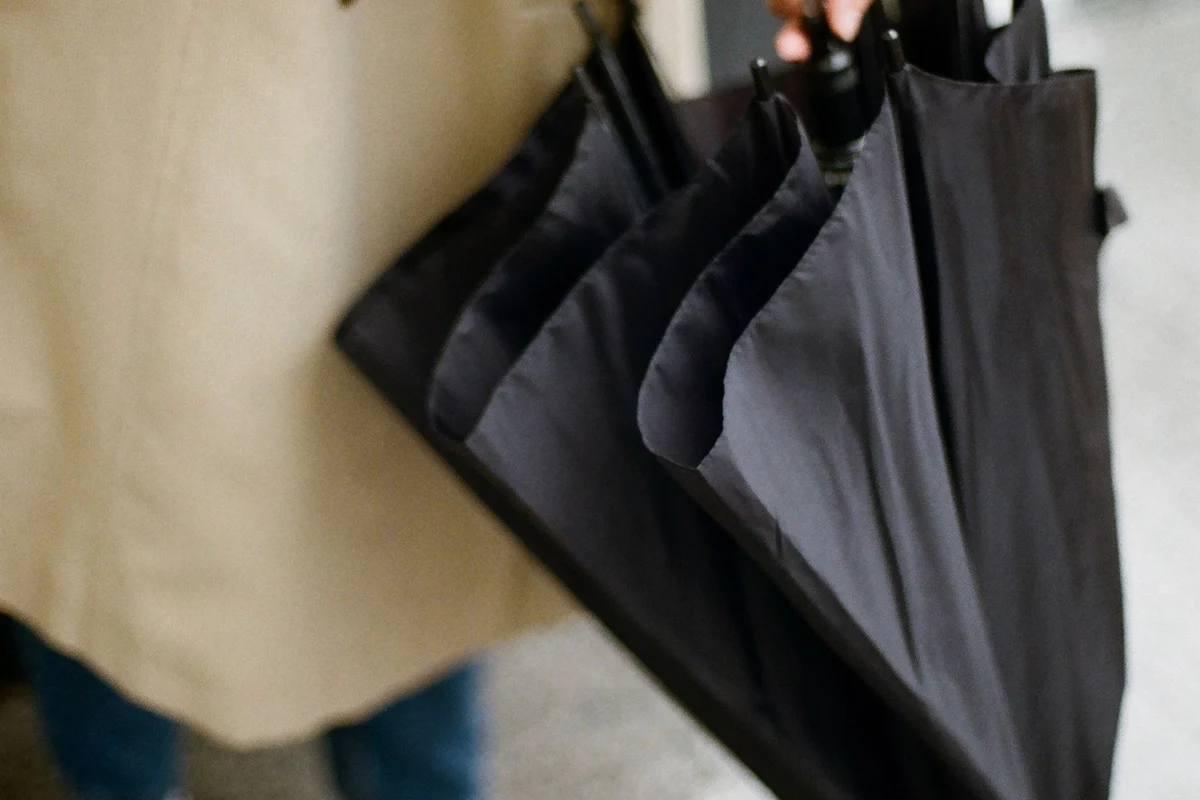
A compact umbrella earns its place by fitting in a bag when the weather is uncertain. A full-length umbrella may offer a different balance of coverage and handling but needs somewhere to go when it is not raining. Compare both the open canopy and the closed length rather than choosing from one measurement.
Check how the seller measures the canopy. A measurement along the curve is not the same as a straight width across it. If coverage is important, ask for the relevant dimension or compare the open umbrella in person where permitted.
Think about the bag carried with it. A canopy that covers your shoulders may leave a backpack exposed, especially as you move. An umbrella is not a substitute for appropriate protection of vulnerable contents during a heavy downpour.
Try the opening routine
Check how the umbrella opens and closes, keeping it well clear of people and objects. An automatic mechanism still needs to be used as instructed, and some compact models require a particular reset before reopening. Read the directions rather than forcing a partly closed shaft.
Hold the handle as you would while carrying another bag. A slippery or awkward grip can be more bothersome than a small difference in weight. Consider whether the wrist loop is useful and whether the folded umbrella fits its sleeve without a struggle.
On crowded pavements or transport, a large canopy and long shaft take space. Choose a size you can manage without bringing the tips close to other people. Strong wind can overwhelm an umbrella; a wind-resistant description is not a promise that it cannot invert or break.
Plan for the wet return
A sleeve is convenient for short-term carrying, but a wet umbrella needs to be opened and dried as its maker directs once you can do so safely. Choose a closed size that fits a drip-catching place at home or work without blocking a route.
Check the tips, ribs and closing strap during ordinary use. If a sharp damaged part is exposed or the mechanism no longer works properly, stop using it until repaired or replaced. The right umbrella is one you can carry, operate and dry through an ordinary rainy day, not only one with a large canopy in a product image.
Storage can decide between two good options
A full-length umbrella needs somewhere secure to rest at a desk, on transport and at home. If it regularly ends up leaning where it falls into a passage, a compact model may be easier to keep with you. A compact umbrella, however, needs a bag pocket that can accommodate its closed shape without pressing against a laptop or papers.
Check whether a wet umbrella can be carried separately for the final part of the journey. A decorative bag pocket may not be intended to hold drips. A suitable temporary sleeve or separate arrangement can help, provided the umbrella is taken out to dry later rather than forgotten inside the bag.