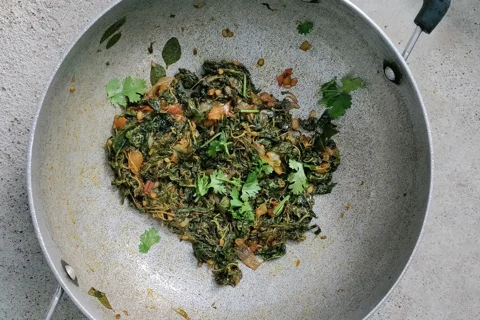
Habits that are kinder to a non-stick surface
Most of the useful care decisions happen while the pan is still on the hob.
Keep the instructions within reach
Non-stick describes a surface function, not one identical material or construction. The permitted utensils, washing method and oven limits can differ between pans that look almost the same. Before the first use, read the directions for the exact model and keep a photograph of them with the receipt.
A pan used for eggs in the morning may need a different place in the routine from a heavy vessel used for prolonged cooking. Avoid turning every cooking task over to one coated pan simply because cleaning it is convenient. Use it within the applications the maker describes.
Heat and tools are daily choices
Tefal's care guidance warns against overheating non-stick cookware. For the pan you own, follow its heating directions rather than assuming that the highest setting will save time. Do not leave an empty pan forgotten on the hob while preparing ingredients elsewhere. Have the food and tools ready before starting.
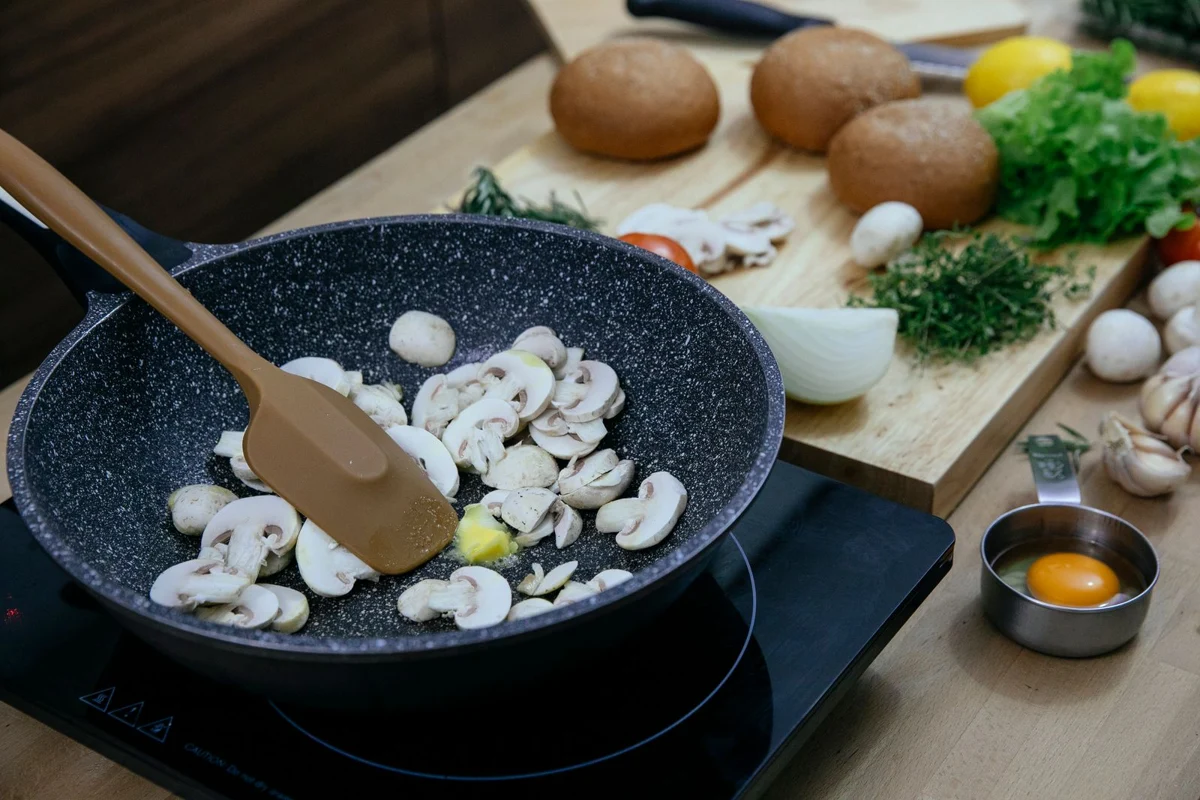
Choose utensils permitted by the manufacturer. A utensil sold as silicone can still have a rigid exposed edge, a damaged tip or a handle that is unsuitable for heat. Inspect the part that touches the pan. Avoid cutting food in the vessel, and transfer it to a suitable board when a knife is needed.
The wash matters too. Let the cookware cool as instructed before cleaning. Use the recommended sponge and detergent rather than trying to remove a stubborn patch with a metal tool. Dishwasher permission is product-specific; a claim for one pan in a brand's range does not apply automatically to another.
Make storage less abrasive
When pans are nested, check what rests against the coating. A rough base or an exposed handle attachment from the upper pan can rub the surface whenever the stack moves. A clean, dry protector intended for cookware may help, but it should not become a reason to store damp pans together.
Keep the frequently used pan near the top or in its own slot if possible. Repeatedly dragging it from under several heavy pieces makes gentle storage difficult. A smaller stack is often more effective than buying elaborate protectors for an overcrowded cupboard.
If a coating is peeling, badly damaged or otherwise outside the condition the maker considers usable, ask the manufacturer about replacement. Do not sand it back, attempt a home recoating or judge the problem only by whether food still releases. A clear photograph and the model number make a support enquiry much more useful.