Living with a cast-iron pan in a small kitchen
A heavy pan needs somewhere to cool, somewhere to dry and somewhere to live.
Give it a place before buying it
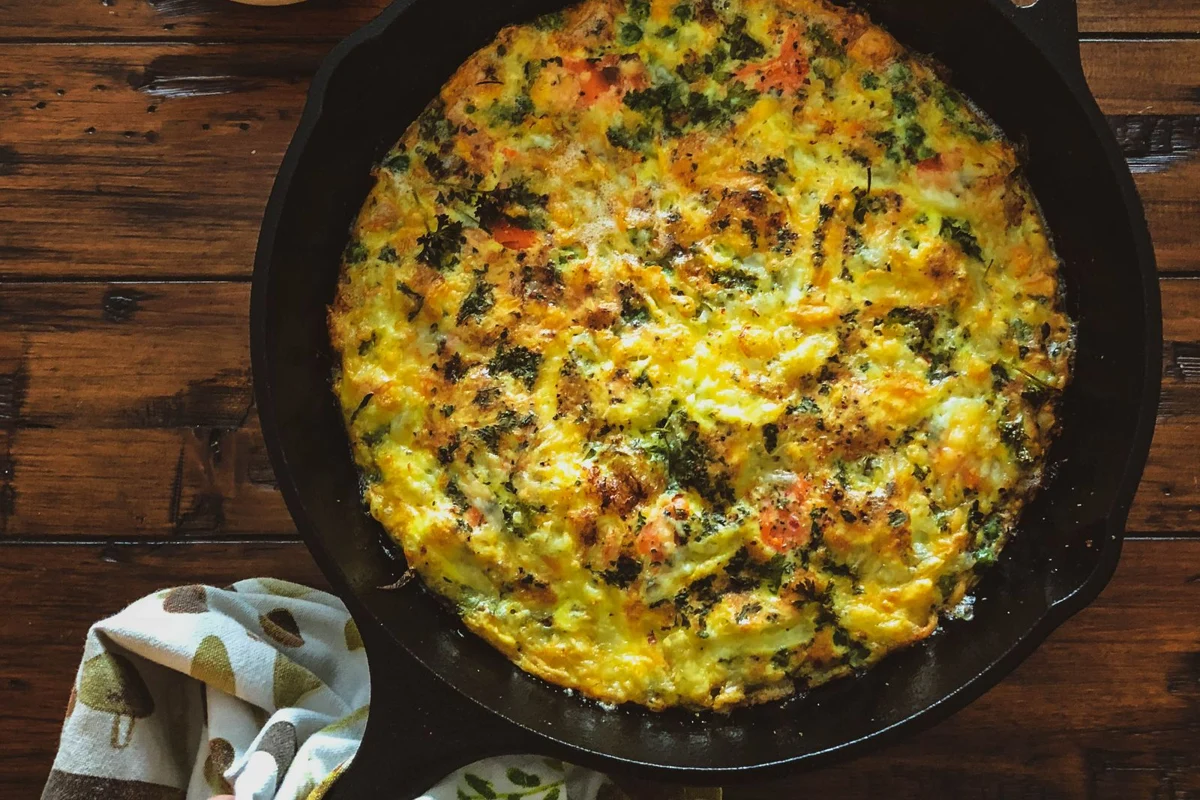
Cast iron often earns a permanent spot on the hob because it is awkward to retrieve from a crowded cupboard. That can work in a roomy kitchen. In a small one, a pan left out may occupy the only space needed for preparing the next meal. Decide where it will rest when it is cold before deciding which size to buy.
Check the complete length, not just the cooking diameter. A short helper handle can make carrying easier, but it still adds to the footprint. Lift the empty pan if possible. The useful question is whether you can move it safely when it also contains food, using suitable dry heat protection and both hands where needed.
Bare iron and enamel are different purchases
Seasoned cast iron has an exposed iron cooking surface protected by seasoning. Enamelled cast iron has a different finish and different care requirements. A photograph of a dark pan does not reliably tell you which one it is. Read the material and surface description, and save the manufacturer's care page.
For seasoned iron, Lodge's basic care approach includes washing, prompt thorough drying and a light layer of oil. The point for a buyer is the routine: this is a pan you should be willing to deal with after the meal rather than leave soaking overnight. Follow the directions for your own product, especially if it has a coating or additional components.
If the sink is usually full until morning, think honestly about whether that routine fits. Choosing a different pan is more useful than buying cast iron with the intention of changing every evening habit at once. Equally, if you already wash as you cook, the extra drying step may be unremarkable.
Plan the movement, not just the cooking
There should be a stable, heat-resistant landing place close to the hob. A crowded counter that requires carrying a hot, heavy pan across the kitchen is a poor match. Keep handles clear of traffic and follow the hob maker's instructions when placing or moving heavy cookware, particularly on glass surfaces.
For cupboard storage, avoid a precarious tower that has to be dismantled for the daily pan. A low, accessible shelf is usually easier to use than a high one. Make sure the shelf can support the load. Put the pan away dry, and do not trap a damp cloth between stacked pieces.
Start with a size connected to a real meal. A very large skillet may be appealing for occasional gatherings but inconvenient for a small breakfast. You can always choose a larger cooking vessel later; the first purchase should be one that fits both your hob and the space between dinner and washing-up.